UNIVERSAL T-387 Thrust Bearing
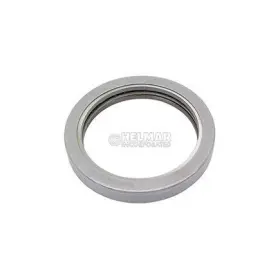
( Brand: Universal ), ( Manufacturer Part Number: T-387 ), ( Part Type: Bearing )
Review UNIVERSAL The Group Thrust Bearing
The T-387 thrust bearing is an essential component of a jet engine that plays a crucial role in the smooth operation and efficiency of the aircraft's propulsion system. This bearing is specifically designed for high-performance applications, where extreme temperatures, high loads, and rapid speeds are common.
The T-387 thrust bearing is a large, complex component that typically measures several inches in diameter and several inches thick. It is made of high-strength materials, such as steel or titanium, to withstand the rigors of jet engine operation. The bearing's outer diameter is machined to precise tolerances to ensure a snug fit in the engine housing, while the inner diameter is sealed with a labyrinth seal or an oil seal to prevent the ingress of contaminants.
The bearing features a thick, circular ribbed design, which provides additional strength and stiffness to the component. The ribs help distribute the loads evenly across the bearing's cross-section, reducing the risk of fatigue failure and extending the bearing's service life.
The T-387 thrust bearing uses a self-lubricating material, such as a composite of graphite and epoxy or a polytetrafluoroethylene (PTFE) coating, to reduce friction and wear. This material allows the bearing to operate efficiently even in the extreme temperatures and high loads encountered in jet engine operation. The bearing's lubrication system is designed to be self-contained, eliminating the need for exterior lubrication and reducing the risk of leaks.
The T-387 thrust bearing is produced to stringent quality standards, with each unit inspected and tested to ensure that it meets or exceeds the performance specifications. Regular maintenance and replacement of the bearing as per the manufacturer's guidelines is essential to ensure the jet engine's continued smooth operation and to prevent catastrophic failure.
In summary, the T-387 thrust bearing is a critical component of a high-performance jet engine, designed to handle the extreme loads, temperatures, and speeds encountered during flight. Its ribbed design, self-lubricating material, and rigorous quality standards make it a reliable and efficient component that contributes significantly to the performance and reliability of the aircraft's propulsion system.
A T-387 thrust bearing is a critical component in the gas turbine engine used in various applications, including aviation and industrial power generation. Like any mechanical part, there are pros and cons to consider when deciding to buy a T-387 thrust bearing.
Pros:1. Improved Engine Performance: A new T-387 thrust bearing can allow for improved engine performance as it ensures a proper fit and maintains the engine's efficiency. This can lead to better fuel economy and increased power output.
2. Reduced maintenance costs: A new T-387 thrust bearing may lead to reduced maintenance costs over the long term as it can prevent unexpected engine failures resulting from worn-out or damaged bearings.
3. Compliance with regulations: For aviation applications, a new T-387 thrust bearing may be required for compliance with Federal Aviation Administration (FAA) or European Aviation Safety Agency (EASA) regulations.
4. Safety: A failure of the thrust bearing can have serious consequences, including engine damage, interior cabinet damage, or even personal injury. A new T-387 thrust bearing can help mitigate these risks.
Cons:1. Upfront Cost: The cost of purchasing a new T-387 thrust bearing can be substantial, especially for larger engines. This cost may deter some operators from making the investment.
2. Downtime: The installation of a new T-387 thrust bearing requires engine removal from service to replace the old bearing. This can result in significant downtime, leading to lost revenue and inconvenience.
3. Skilled labor: The installation of a new T-387 thrust bearing requires skilled labor, which can add to the overall cost of the repair.
4. Ongoing maintenance: While a new T-387 thrust bearing may improve engine performance and reduce maintenance costs over the long term, there are still ongoing maintenance requirements to ensure the bearing continues to function optimally.
Conclusion:Deciding whether to buy a new T-387 thrust bearing involves weighing the potential benefits, including improved engine performance, reduced maintenance costs, regulatory compliance, and increased safety, against the upfront cost, downtime, skilled labor requirements, and ongoing maintenance needs. In some cases, the benefits of a new T-387 thrust bearing may outweigh the costs, especially in high-use applications, while in other cases, the costs may be prohibitive. Ultimately, the decision to buy a new T-387 thrust bearing should be based on the specific requirements of the application and the economic reality of the situation.
Recommendation:If the application involves high utilization, critical safety considerations, or frequent engine usage, it may be worth investing in a new T-387 thrust bearing to maximize performance, reduce maintenance costs over the long term, and ensure compliance with regulations. On the other hand, for lower utilization applications or less critical safety considerations, it may be more cost-effective to repair the existing bearing or consider alternative solutions. A reputable engine repair facility or OEM can provide expert advice and guidance in making the most informed decision for your specific situation.
Details:
Designed specifically for trucks, trailers, and buses. Made of high-quality components for durability, reliability, and performance. The Universal Group T-387 Thrust Bearing: Part Number: Manufacturer: UNIVERSAL. Engineered using the latest technology to ensure product lasts longer in service.
Engineered with a factory-like design for effortless installation, ensuring perfect match your vehicle. Manufactured following strict OE standards to work like the original component.
part #: t387 prices
- $26.79-$61.75
specifications tensionpull:
- brand: Universal
- mpn: T-387
- part type: Bearing
returns tensionpull:
- time: 30 Days
- policy: Returns Accepted
- paid by: Buyer
offer tensionpull:
- sold: 0
- availability: In Stock
- options: Ship-to-home
- best offers: True
- quantity: 5
- started: November 26, 2024
shipping tensionpull:
- type: Fixed
- class: Standard
- service: Standard
- transit: 4-10 Days
- cost: $0.00
seller tensionpull:
- city: Los Angeles, California
- # reviews: 48377
- rating: 96.5%
general tensionpull:
- Engines Engine Parts > Timing Components Kits > Tensioners Pulleys
- condition: New
payments tensionpull:
- credit card: Mastercard
- wallet: Apple-pay
- other
Universal T-387 Is Similar To:
- Universal 81251109 The Group Thrust Bearing 51109 (80.9% similar) Engineered with a factory-like design for effortless installation, ensuring perfect match your vehicle. Engineered using the latest technology to ensure product lasts longer in service. Manufactured following strict OE standards to work like the...(September 29th, 2024)
- Universal T-176 The Group Engine Timing Belt Tensioner Bearing Kit (64.2% similar) The Universal group T-176 engine timing belt pensioner bearing kit: part number: manufacturer. Engineered using the latest technology to ensure product lasts longer in service. Designed specifically for trucks, trailers, and buses...(October 28th, 2024)
- Universal T-581 The Group Thrust Bearing (95% similar) Engineered with a factory-like design for effortless installation, ensuring perfect match your vehicle. Manufactured following strict OE standards to work like the original component. The Universal group T-581 thrust bearing: part number: manufacturer: Universal...(December 15th, 2024)