GM 24503860 Timing Tenshioner
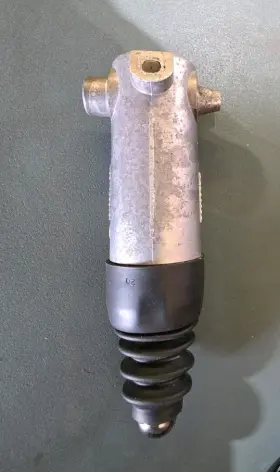
( Brand: Gm ), ( Manufacturer Part Number: 24503860 ), ( Type: Timing Belt Tensioner ), ( Oe/oem Part Number: 24503561 ), ( Vintage Part: Yes ), ( Performance Part: No )
Review GM Timing Tenshioner
The GM 24503860 Timing Tensioner is a crucial component of the engine timing system in various General Motors vehicles. This tensioner plays a vital role in maintaining the proper alignment and tension of the engine's timing belt or chain, ensuring optimal engine performance and longevity.
The timing tensioner is a hydraulic component, meaning it utilizes engine oil pressure to apply tension to the timing belt or chain. This design helps ensure a consistent level of tension is maintained throughout the engine's operating range, reducing the chances of belt or chain slack, which can lead to misfires, rough idling, and even engine damage.
The GM 24503860 Timing Tensioner is specifically engineered for specific applications and is manufactured to meet OEM (Original Equipment Manufacturer) specifications. It features a robust design with high-strength materials and precise tolerances to ensure a long service life and reliable performance. The tensioner housing is typically made of aluminum, which not only keeps weight down but also dissipates heat effectively.
The tensioner assembly typically includes the tensioner pulley, hydraulic tensioner, and the associated mounting hardware. Depending on the specific application, some assemblies may also include a water pump or belt drive components. The tensioner pulley is designed to accommodate the timing belt or chain, and its surface may feature ribs or grooves to improve belt grip and reduce wear.
The hydraulic tensioner includes a pressure relief valve, which helps prevent excessive tension buildup and potential damage to the engine components. When the engine oil pressure drops, the valve opens, releasing the tension on the timing belt or chain, allowing it to slip slightly and prevent damage.
This GM 24503860 Timing Tensioner is an essential upgrade for vehicles that have reached the recommended replacement interval or for those experiencing timing belt or chain issues. Replacing a faulty or worn-out tensioner can help prevent costly engine repairs and keep your vehicle running smoothly and efficiently. When installing the new tensioner, it's vital to follow the OEM installation instructions carefully to ensure proper alignment and tension.
Pros and Cons of Buying GM 24503860 Timing Tensioner
Introduction:The GM 24503860 Timing Tensioner is an essential component in the engine of certain General Motors vehicles. It maintains the proper tension on the timing chain, ensuring optimal engine performance. Here are the pros and cons of buying this timing tensioner.
Pros:1. Improved Engine Performance: A new timing tensioner can help improve engine performance by ensuring that the timing chain is properly tensioned. This can lead to smoother engine operation and better fuel efficiency.
2. Prevents Damage: A worn-out or failing timing tensioner can cause damage to other engine components, such as the timing chain or camshaft. Replacing the timing tensioner can help prevent these costly repairs.
3. Peace of Mind: By investing in a new timing tensioner, you can have peace of mind knowing that a critical engine component is in good working order. This can help reduce anxiety and stress related to potential engine failures.
Cons:1. Cost: Replacing a timing tensioner can be an expensive repair, especially if you choose to have it done at a dealership or repair shop. The cost of the part itself, as well as labor and diagnostic fees, can add up.
2. DIY Complexity: Installing a timing tensioner is not a simple task, especially for those without experience working on engines. It requires advanced tools and knowledge to safely remove the old tensioner and install the new one.
3. Risk of Damage: There is a risk of causing damage to other engine components during the installation process, particularly if you are not experienced in engine repairs. This risk can add to the overall cost of the repair.
Conclusion:In conclusion, the GM 24503860 Timing Tensioner is an essential component for maintaining optimal engine performance. While the cost and complexity of the repair may be daunting, the benefits of improved engine performance, damage prevention, and peace of mind make it a worthwhile investment. If you are confident in your ability to install the timing tensioner yourself or have the financial resources to pay for professional installation, it can be a wise choice. However, if you are unsure of your abilities or cannot afford the cost, it may be worth considering alternative solutions, such as used or rebuilt timing tensioners or extending the life of your current tensioner through regular maintenance.
Recommendation:My recommendation would be to carefully weigh the pros and cons of purchasing a new GM 24503860 Timing Tensioner, taking into consideration your budget, experience level, and personal preferences. If you are confident in your ability to install the part yourself and have the necessary tools and knowledge, it may be a cost-effective solution. Alternatively, if you are unsure of your abilities or cannot afford the cost, it may be worth considering alternative solutions, such as used or rebuilt tensioners or extending the life of your current tensioner through regular maintenance. Ultimately, the decision is yours, but I hope this information helps you make an informed choice.
Details:
specifications tensionpull:
- brand: Gm
- mpn: 24503860
- type: Timing Belt Tensioner
- oe/oem part number: 24503561
- vintage part: Yes
- performance part: No
shipping tensionpull:
- transit: 4-10 Days
- cost: $8.53
- service: USPS Priority Mail
- class: Expedited
- type: Calculated
- carrier: USPS
offer tensionpull:
- sold: 0
- options: Ship-to-home
- started: December 6, 2025
- best offers: True
- quantity: 1
- availability: In Stock
payments tensionpull:
- other
- credit card: Diners-club
- wallet: Google-pay
seller tensionpull:
- # reviews: 22
- rating: 100.0%
- city: Norfolk, Nebraska
returns tensionpull:
- policy: No Returns
general tensionpull:
- condition: Used
- Engines Engine Parts > Timing Components Kits > Tensioners Pulleys
Gm 24503860 Is Similar To:
- Gm Genuine Parts 12686368 Timing Chain Tensioner Kit With Gasket Retainers And Bolts (40.7% similar) Silverado, sierra. Shipping carrier substitutions may be made at our determination in an attempt to reduce shipping cost the customer. Electrical parts are not returnable. Provides consistent tension to help keep engine running in proper time. Parts must be resalable and in the original...(August 12th, 2024)
- General Motors 24503861 Gm Nos Timing Belt Tensioner Actuator Mounting Plate 1991-97 3.4l V6 (43% similar) Tote D94, fits: 1991 -1997 Chevrolet lamina 6 Cl 3.4L 2 door, 4 ls, ls LTZ lamina, Monte Carlo 1995 -1997 Monte Carlo 1991 -1996 Oldsmobile cutlass internal door Pontiac grand pix Le. Gm nos timing belt tensioner actuator mounting plate 24503861 1991 -97 3.4L V6, 4658...(August 13th, 2024)
- Gm Genuine Parts 55508005 Timing Chain Tensioner (62.3% similar) Shipping carrier substitutions may be made at our determination in an attempt to reduce shipping cost the customer. Electrical parts are not returnable. Provides consistent tension to help keep engine running in proper time. Injection pump chain. Parts must be resalable and in the...(August 13th, 2024)
- Gm Genuine Parts 12713640 Driver Side Timing Chain Tensioner (53.9% similar) Electrical parts are not returnable. Parts must be resalable and in the original packaging. Shipping carrier substitutions may be made at our determination in an attempt to reduce shipping cost the customer...(August 13th, 2024)
- Gm Genuine Parts 55562235 Timing Chain Tensioner (57.1% similar) Parts must be resalable and in the original packaging. Shipping carrier substitutions may be made at our determination in an attempt to reduce shipping cost the customer. Provides consistent tension to help keep engine running in proper time. Cruz, Cruz limited. Electrical parts are...(August 15th, 2024)
- Acdelco Gm Original Equipment 12363192 Engine Timing Chain Tensioner (47.4% similar) This part fits vehicles made in the following years 1983 ,1984,1985,1986,1987,1988,1989,1990,1991,1992,1993,1994,1995,1996,1997,1998,1999,2000,2001,2002,2003...(August 15th, 2024)
- Gm Genuine Parts 12630107 Timing Chain Tensioner Kit With Bolt And Gasket (45.1% similar) Silverado, sierra 2500 HD. Attention: the catalog displayed is a generic consumer-friendly application and does not decipher all the options your vehicle may have been built with. Shipping carrier substitutions may be made at our determination in an attempt to reduce shipping cost...(August 16th, 2024)
- Gm 12627109 Oem Genuine Timing Chain Tensioner Camaro Canyon Blazer (47.9% similar) Part #: Gm 12627109 for sale...(August 16th, 2024)
- Gm Genuine Parts 25183772 Timing Belt Tensioner (60.5% similar) Such as trim, engine size, color, etc. Scottsdale, AZ 85260. Gm parts America. Helps keep constant tension on the timing belt to help vehicle running in proper time. Despite what images and illustrations may show, all parts are sold individually. Attention: the catalog displayed is a...(August 17th, 2024)
- Gm Genuine Parts 12644510 Timing Belt Tensioner Assembly (56.5% similar) Scottsdale, AZ 85260. Despite what images and illustrations may show, all parts are sold individually. Shipping carrier substitutions may be made at our determination in an attempt to reduce shipping cost. Gm parts America. 8585 e frank Lloyd wright blvd. Incl.tensioner...(August 17th, 2024)
- Gm Genuine Parts 55187100 Timing Belt Idler Pulley (43% similar) An order or a portion of an may be cancelled up until the time it is shipped and no longer in our possession. Need a hard to get part. Shipping carrier substitutions may be made at our determination in an attempt to reduce shipping cost the customer. Helps direct and help maintain the engine...(August 18th, 2024)